
Understanding High Pressure Cleaning: How It Affects Various Exterior Surfaces
When it comes to maintaining your property’s appearance, high pressure cleaning offers an effective solution for removing dirt, mold, and grime. Homeowners in Greenville face unique challenges due to the region’s humid climate, which creates ideal conditions for algae and mildew growth on exterior surfaces. Understanding how pressure washing affects different materials helps you protect your investment while keeping your home looking its best. The right approach varies depending on what surface you’re cleaning, and knowing these differences prevents costly damage.
Wood Surfaces Need Special Care
Wood decks, fences, and siding require gentle handling during pressure washing. Using too much force can splinter the wood fibers, creating rough patches that trap moisture and lead to rot. Soft wood species like pine and cedar are especially vulnerable to damage from high-powered streams. The ideal pressure for wood typically ranges from 500 to 1200 PSI, which removes dirt without harming the material. Always keep the nozzle moving and maintain a consistent distance from the surface. After cleaning, allowing the wood to dry completely before applying stain or sealant ensures better protection against the elements.
Concrete and Brick Stand Up to Higher Pressure
Concrete driveways, sidewalks, and brick walls handle more aggressive cleaning methods than softer materials. These durable surfaces can withstand pressures between 2500 and 3000 PSI, making them ideal candidates for removing stubborn oil stains, tire marks, and deep-set grime. The porous nature of concrete means dirt penetrates below the surface, requiring stronger force to achieve thorough cleaning. However, older concrete with existing cracks needs careful attention to avoid making damage worse. Brick mortar also deserves consideration, as excessive pressure can erode the joints between bricks over time.
Vinyl Siding Requires a Balanced Approach
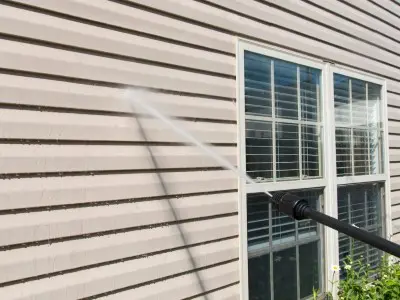
Vinyl siding presents a middle ground in terms of pressure requirements. This popular material resists damage better than wood but can still crack or warp under excessive force. Using 1300 to 1600 PSI works well for most vinyl surfaces, removing accumulated dirt and mildew without causing harm. Pay attention to the spray angle, keeping it below 45 degrees to prevent water from forcing its way behind the siding panels. This infiltration can lead to mold growth inside your walls and compromise insulation effectiveness. Starting from the bottom and working upward prevents streaking and ensures even cleaning.
Roof Materials Demand Expert Knowledge
Different roofing materials each have specific cleaning requirements that impact their longevity. Asphalt shingles can lose protective granules under high pressure, shortening their lifespan significantly. Metal roofs tolerate stronger cleaning but require rust-prevention measures afterward. Tile roofing, whether clay or concrete, can crack under direct pressure streams. Most professionals recommend low-pressure washing combined with specialized cleaning solutions for roof maintenance. This method, often called soft washing, achieves excellent results without risking structural damage.
Need More Information About Protecting Your Surfaces?
Choosing the correct pressure settings and techniques for your specific surfaces protects your property while achieving professional results. If you have questions about the best approach for your home’s exterior or need expert advice on maintaining different materials, Aqua Wash provides guidance tailored to your needs. Visit aqua-wash.com to learn more about proper cleaning methods for your property.
Get Professional High Pressure Cleaning Services in Greenville Today
Posted on December 3, 2025 | Published by Ignite Local | Related Local Business
